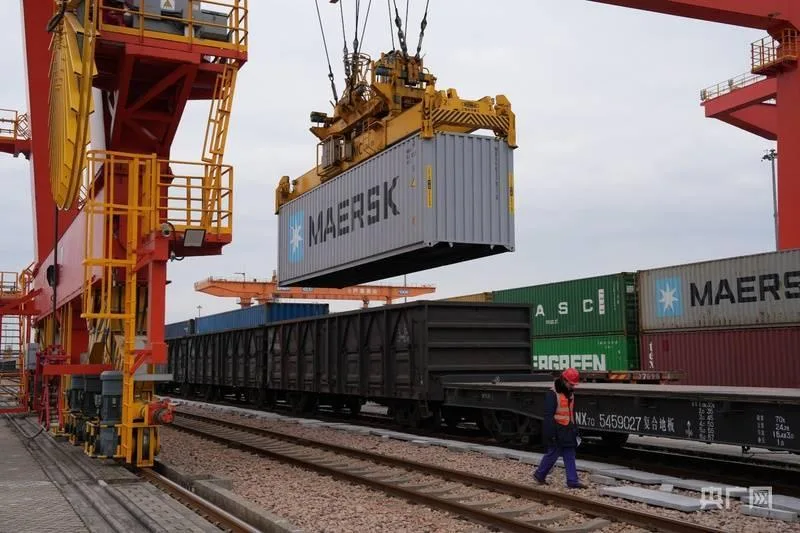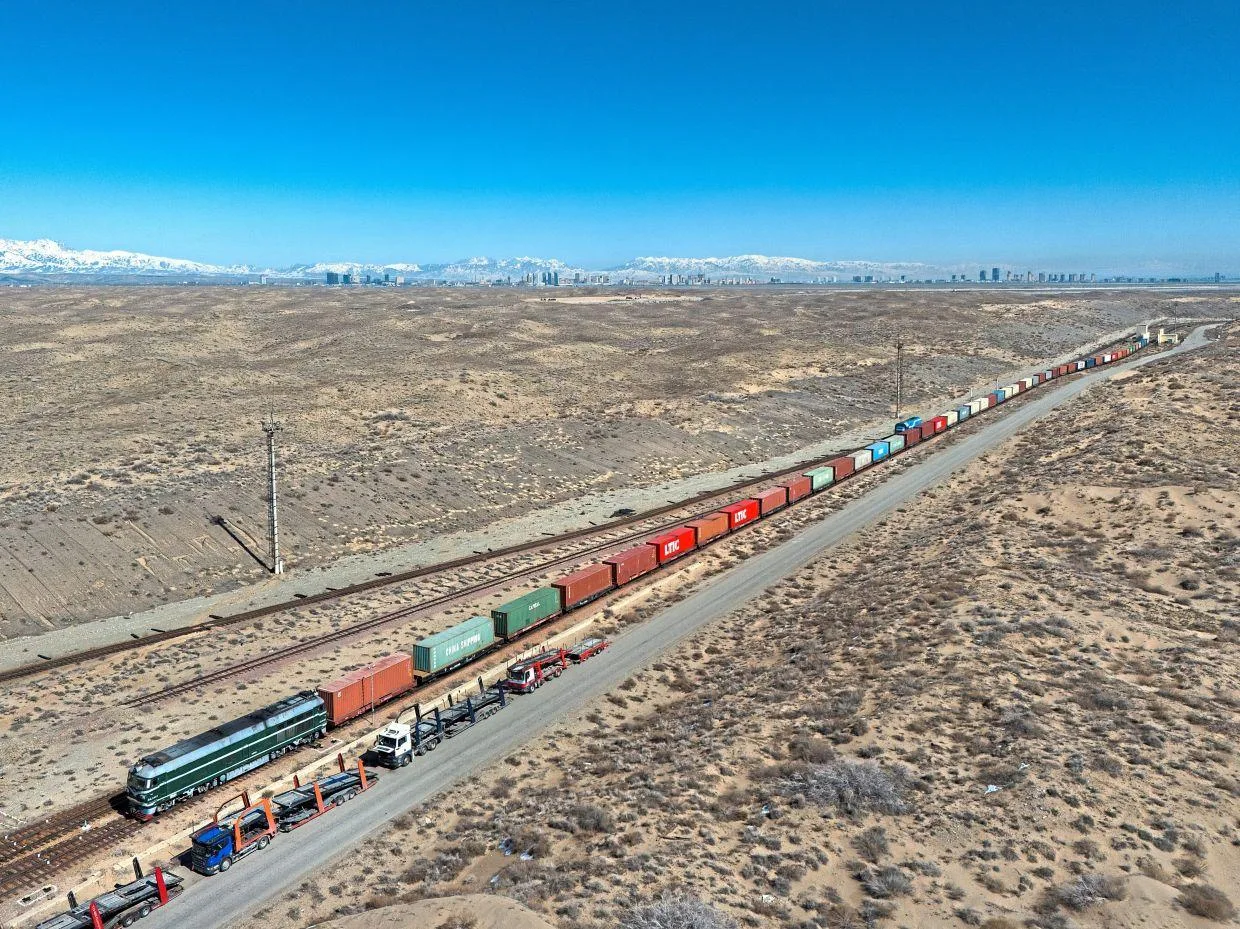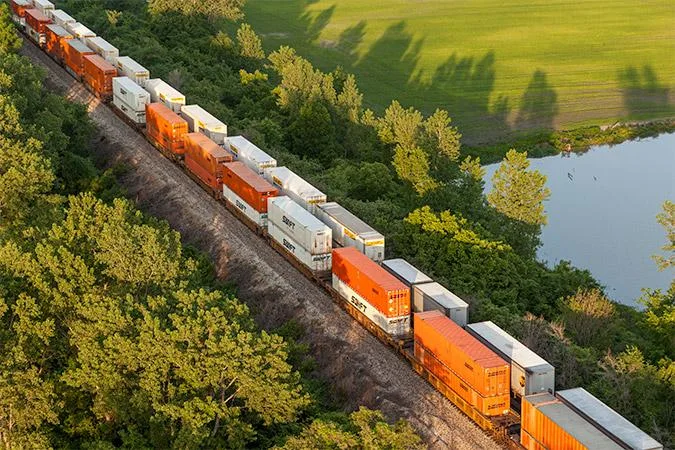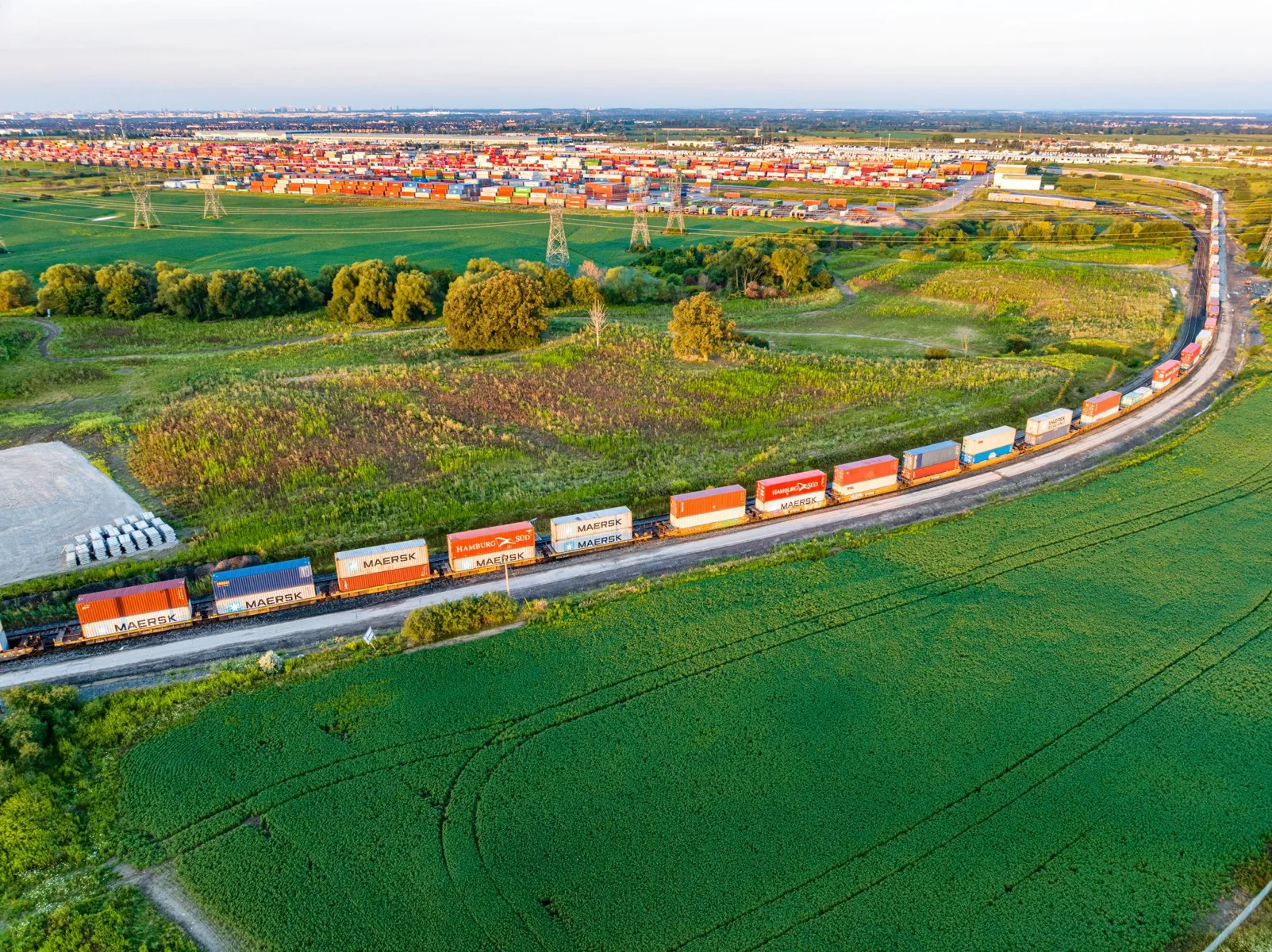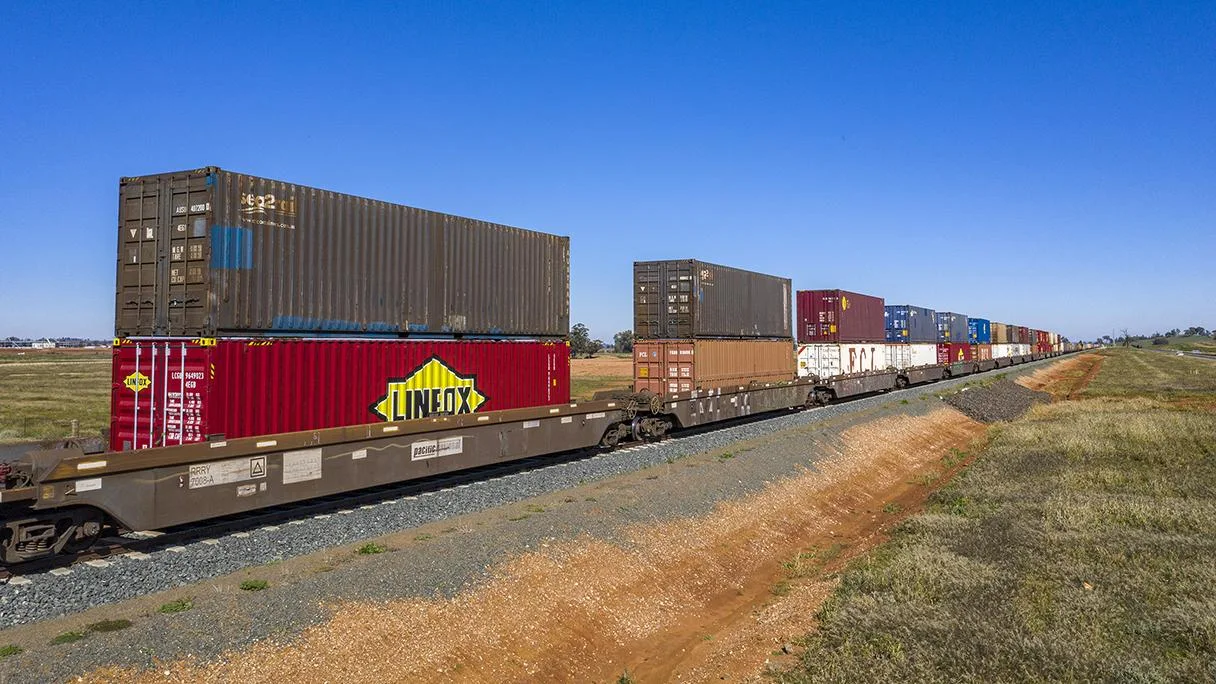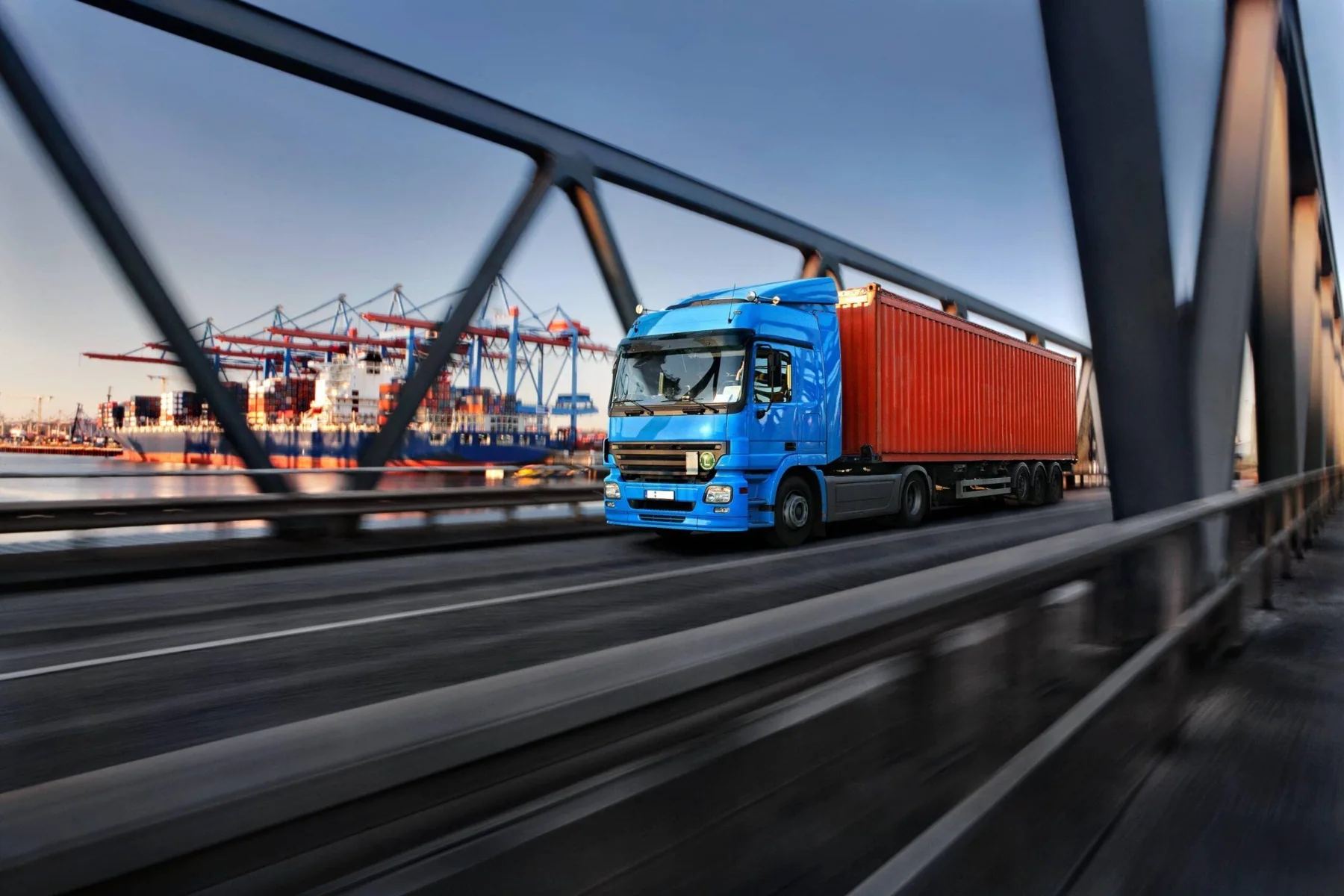
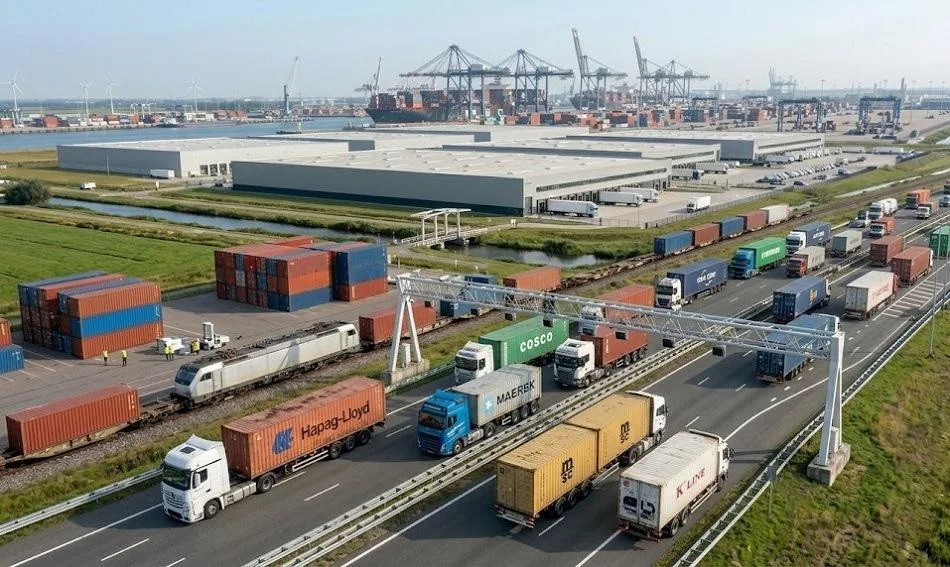
Rail can suit high-volume cargo on established corridors.
Service options
Intermodal containers; terminal transfers; combined road and rail
Planning your shipment
Check terminal availability, route restrictions, transfer requirements and schedules. Environmental benefits depend on route and load factors.
How it works
Submit your shipment details for review. Confirm the written quotation, service scope, applicable terms and documentation before collection. Follow shipment updates using your assigned tracking reference when available.
Costs and transit times
Pricing and estimated transit times depend on route, capacity, cargo characteristics and third-party charges. Request a written quotation before committing.
Intermodal coordination
Rail can suit larger consignments on established corridors. Road collection and final delivery may be required at either end. Confirm terminal access, container compatibility, transfer schedules and cargo securing requirements. Transit estimates include handling and connections, not just the rail journey.
What happens before booking?
We review the information supplied, identify suitable service options and confirm the scope of the proposed transport. Request a written quotation specifying included charges, collection arrangements, destination handling and any exclusions. Do not dispatch cargo until acceptance and instructions have been confirmed.
During transport and at delivery
Keep your shipment reference and relevant documents available. Tracking reflects recorded milestones rather than continuous location. If a delay, discrepancy or damage occurs, contact support with the reference and relevant evidence so the issue can be reviewed.